
Refractory, Acid Brick
& Industrial Insulation
Fire brick furnace relines, acid brick lining systems, polymer concrete, mineral wool, ceramic fiber, and calcium silicate insulation — engineered by licensed PEs and installed turnkey inside your outage window.
Complete masonry & insulation capability
Most contractors specialize in one. Grey Engineering installs all four — refractory, acid brick, polymer concrete, and industrial insulation — under a single engineering-led contract.
Fire Brick & Refractory
High-temperature linings for sulfur furnaces, boilers, incinerators, and process heaters. We engineer the lining system — brick selection, anchor layout, expansion allowance — then install it with our own crews and supervise controlled dry-out back to service.
- Sulfur furnace fire brick relines
- Boiler furnace and burner throat refractory
- Incinerator and process heater linings
- Castable and gun-applied refractory
- Ceramic fiber module and blanket systems
- Anchor design, layout, and welding
- Engineered expansion joints and allowances
- Controlled dry-out and cure-in schedules
Acid Brick & Membranes
Corrosion-resistant masonry for sulfuric acid and aggressive chemical service: acid brick over engineered membranes for vessels, floors, trenches, and containment — with mortar chemistry matched to the process fluid, temperature, and concentration.
- Acid brick vessel and tower linings
- Acid-resistant brick floors and trenches
- Membrane systems under brick
- Potassium silicate and furan mortars
- Sulfuric acid plant brickwork
- Containment and sump linings
- Chemical-resistant tile systems
- Inspection and repair of existing linings
Polymer Concrete
Epoxy, vinyl ester, and epoxy novolac polymer concrete systems for chemical plant floors, containment basins, sumps, and vessel linings where ordinary concrete fails under acid, solvent, or aggressive chemical exposure.
- Polymer concrete floors and sumps
- Epoxy novolac and vinyl ester systems
- Acid-resistant polymer concrete linings
- Repair and overlay of deteriorated concrete
- Chemical-resistant grout and bedding
- Monolithic polymer concrete vessels
- Containment basin polymer concrete
- Polymer concrete pipe bedding and encasement
Industrial Insulation
Full-range industrial insulation installation: mineral wool, calcium silicate, ceramic fiber, fiberglass, cellular glass, and aerogel systems for pipe, vessel, boiler, and equipment insulation — with aluminum, stainless, or PVC jacketing.
- Mineral wool pipe and vessel insulation
- Calcium silicate high-temperature insulation
- Cellular glass cryogenic insulation
- Fiberglass pipe insulation systems
- Perlite insulation for cryogenic vessels
- Aerogel blanket insulation systems
- Jacketing: aluminum, stainless, PVC
- Personnel protection and heat conservation
- Boiler and steam drum insulation
- Heat tracing under insulation systems
Right insulation for every service condition
Mineral Wool
Up to 1,200°FThe workhorse of industrial insulation. Excellent thermal performance, fire resistance, and vibration dampening for pipe, vessel, and equipment insulation in process plants.
Calcium Silicate
Up to 1,200°FHigh compressive strength and moisture resistance make calcium silicate the standard for boiler, steam drum, and high-temperature pipe insulation where mechanical abuse is a concern.
Ceramic Fiber
Up to 2,300°FLightweight, low thermal mass blankets and modules for furnace backup insulation, high-temperature equipment, and applications where weight and heat-up speed matter.
Cellular Glass
Cryogenic to 900°FImpermeable, moisture-proof insulation for cryogenic piping and vessels, underground pipe, and applications where water infiltration would destroy conventional insulation.
Aerogel Blanket
Up to 1,200°FThe highest R-value per inch available. Used where space is constrained, in annular spaces, and for LNG and cryogenic applications requiring maximum thermal performance in minimum thickness.
Fiberglass
Up to 850°FCost-effective insulation for lower-temperature piping, HVAC, and equipment. Available in pipe sections, blankets, and boards with a wide range of jacketing options.
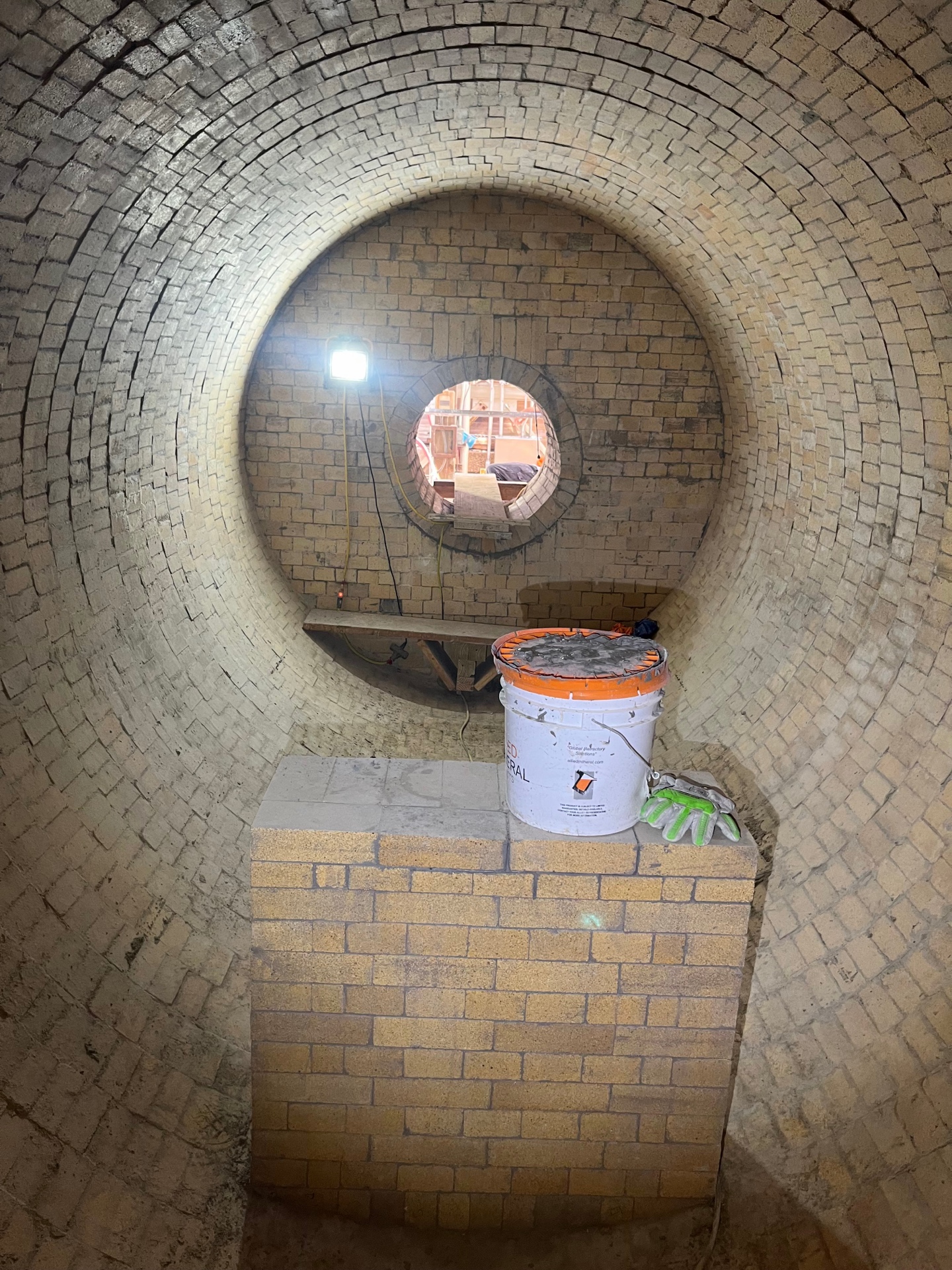
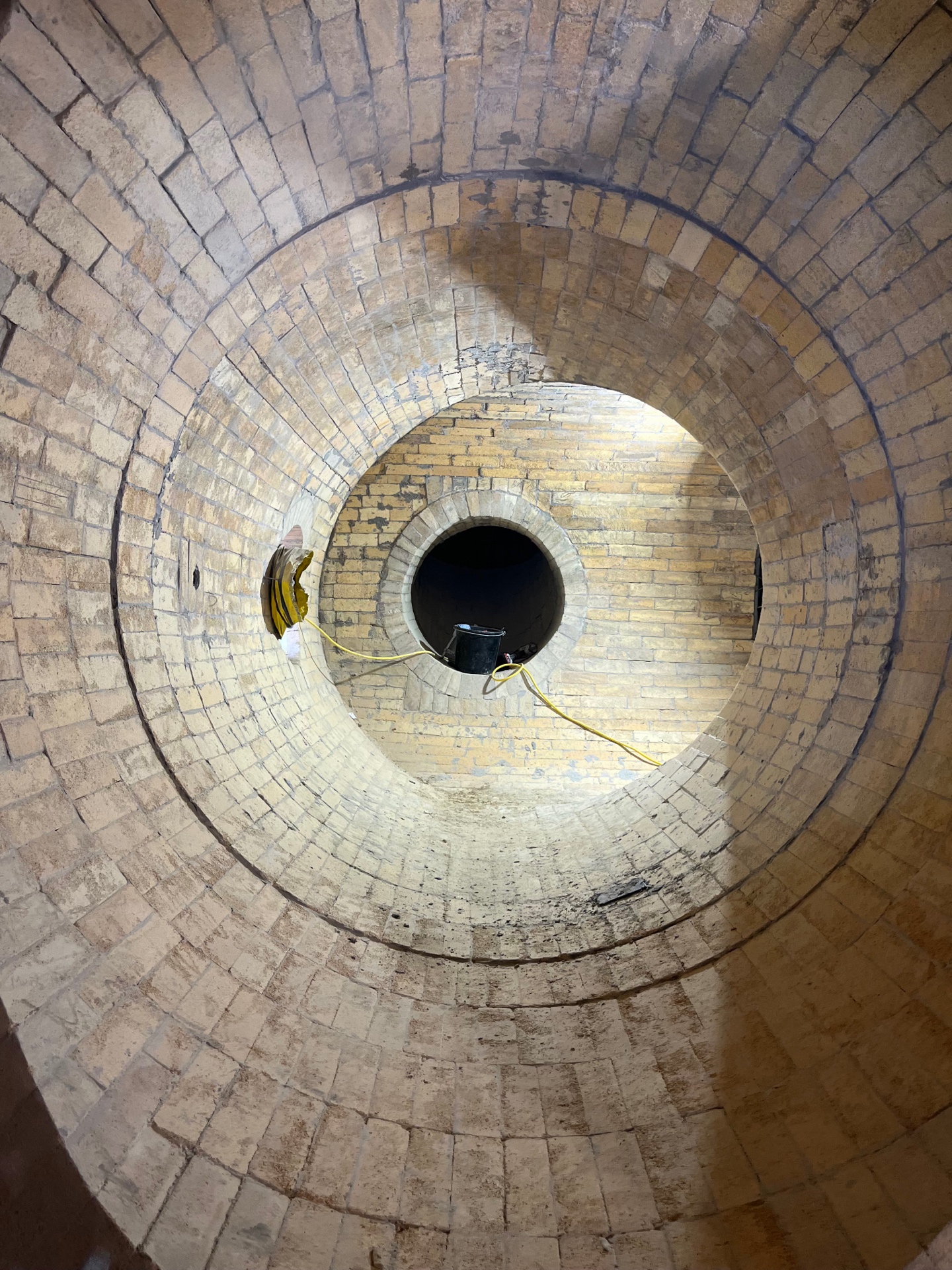
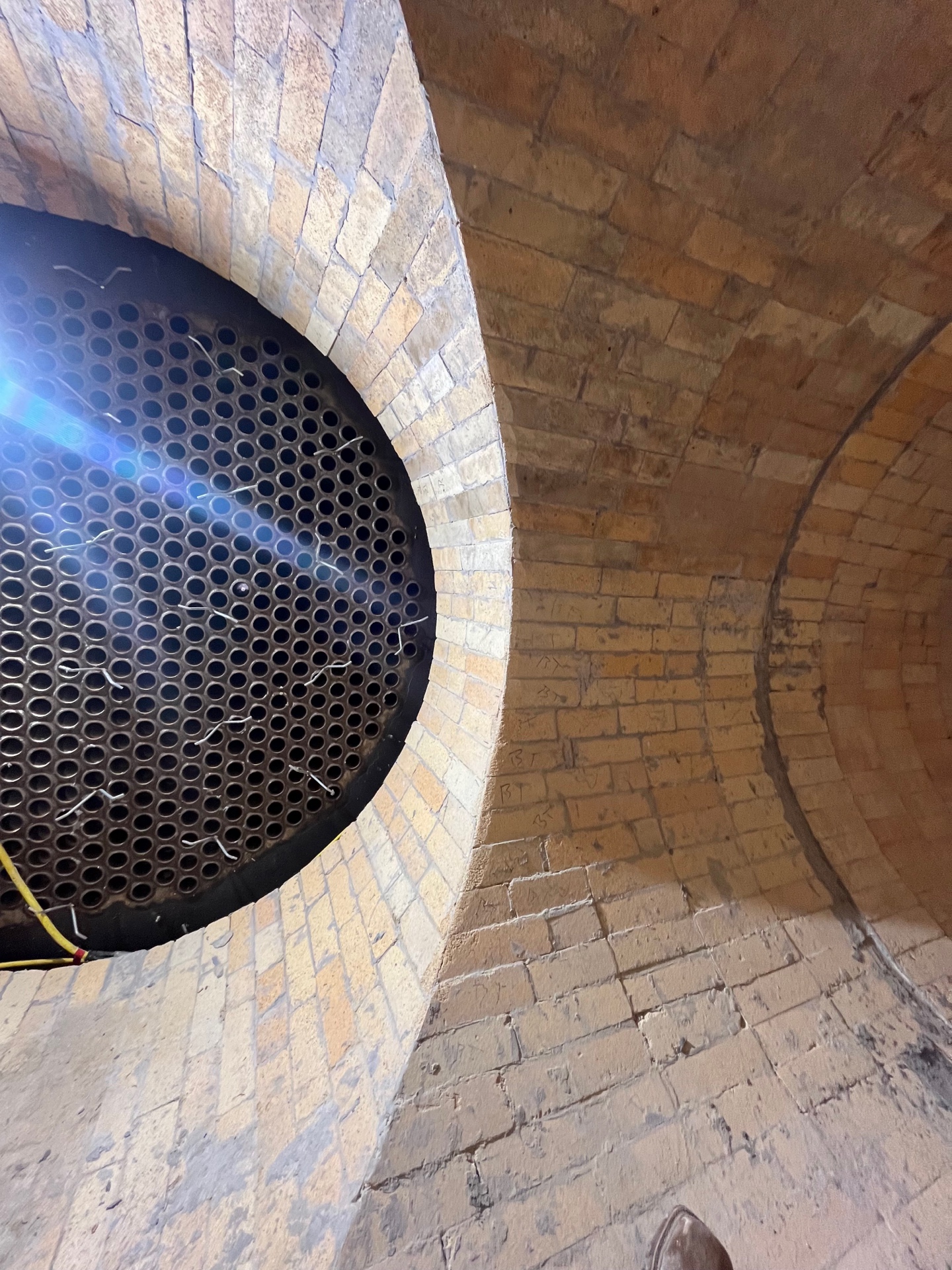
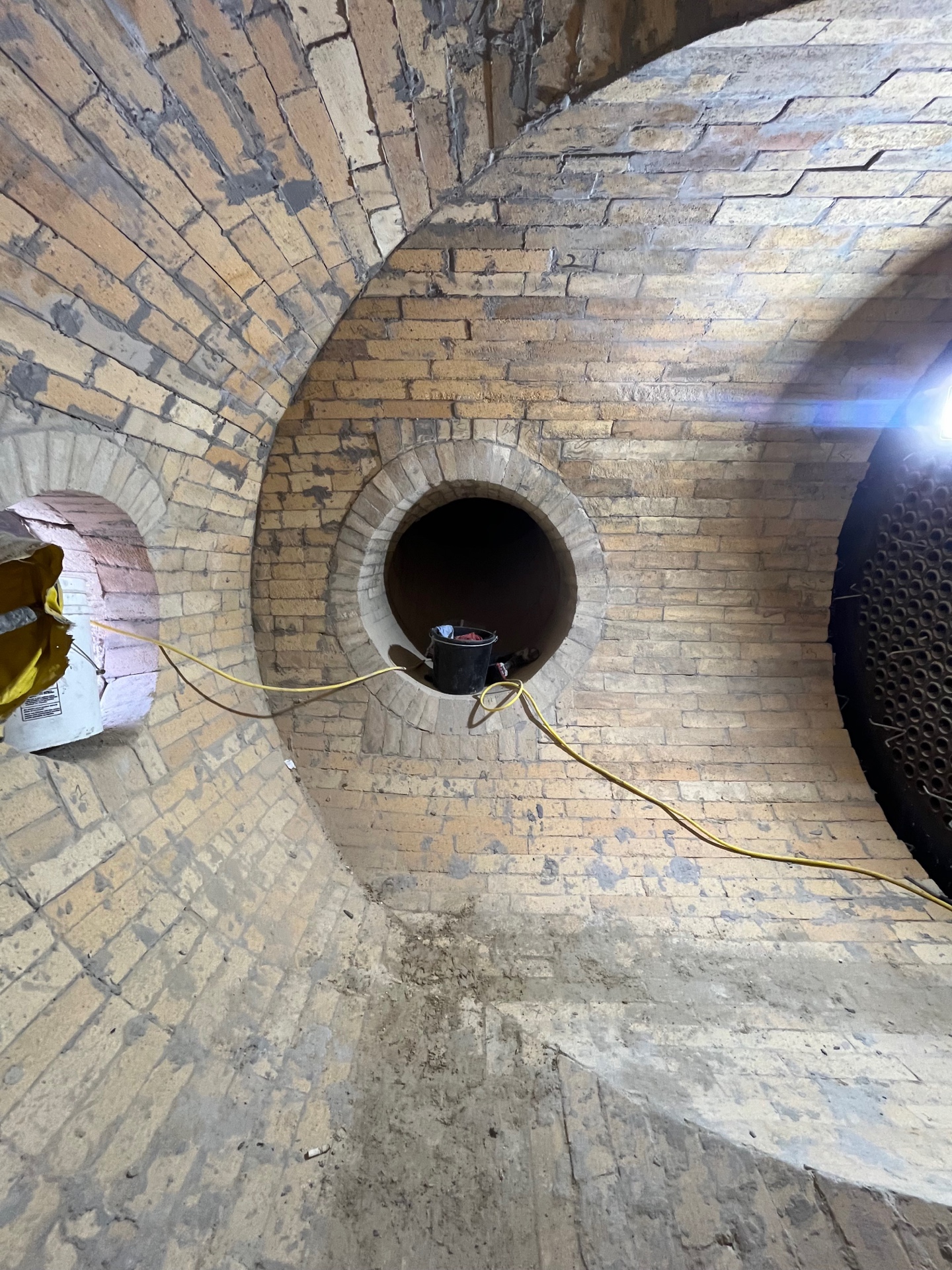
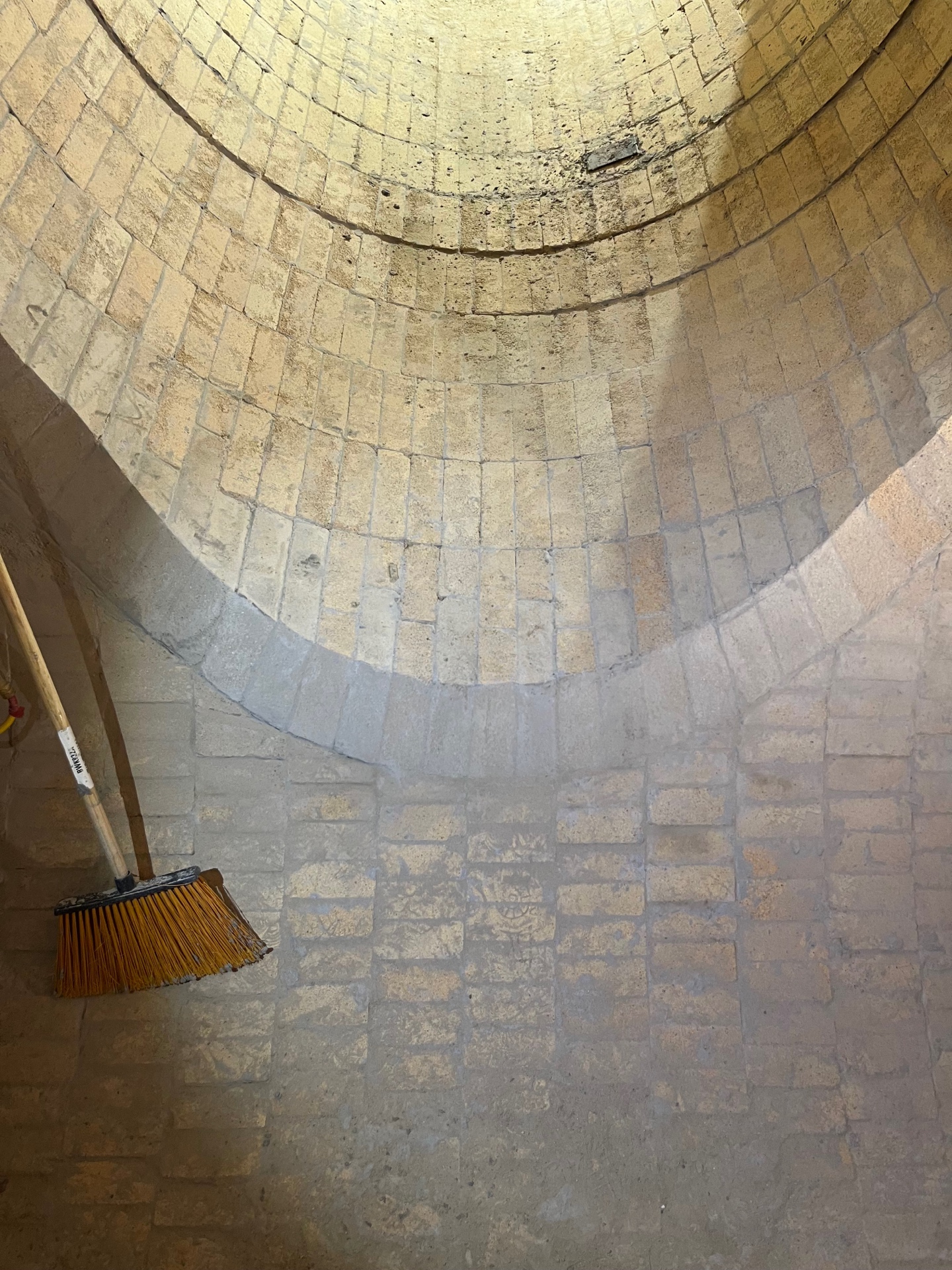
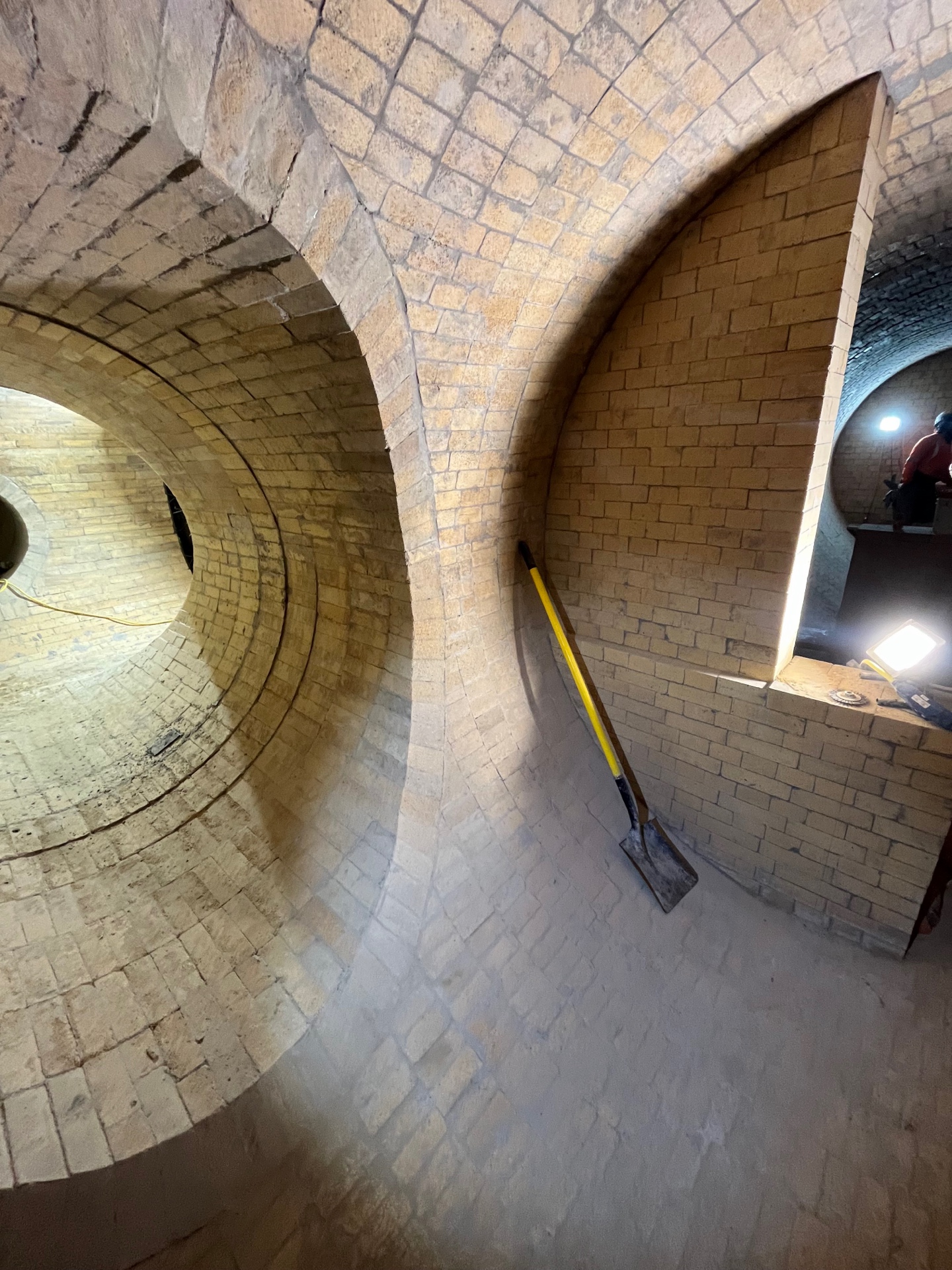
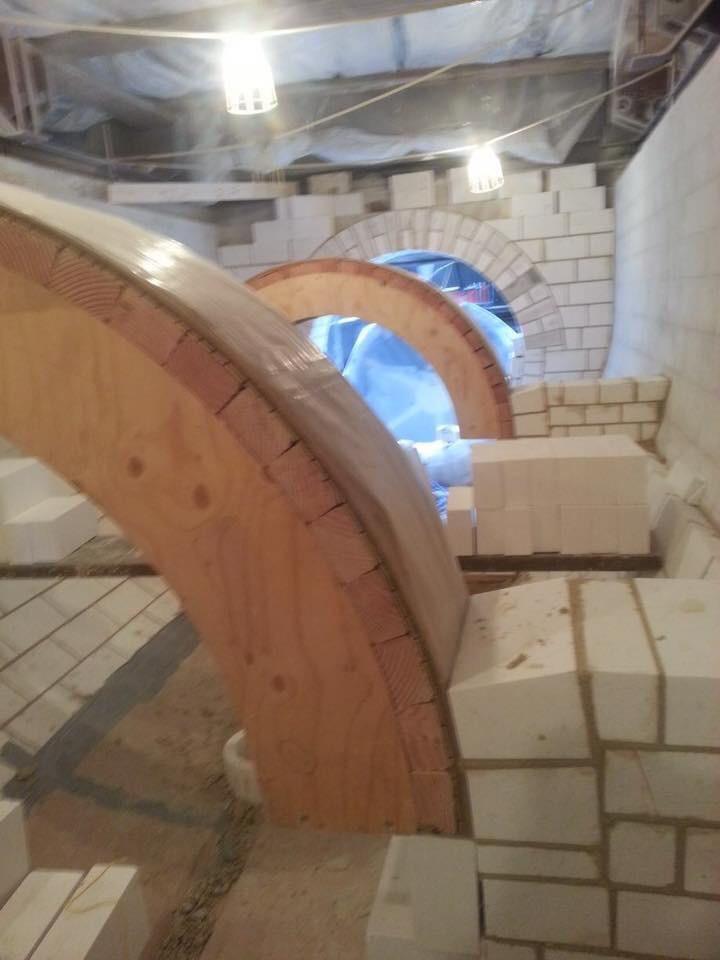
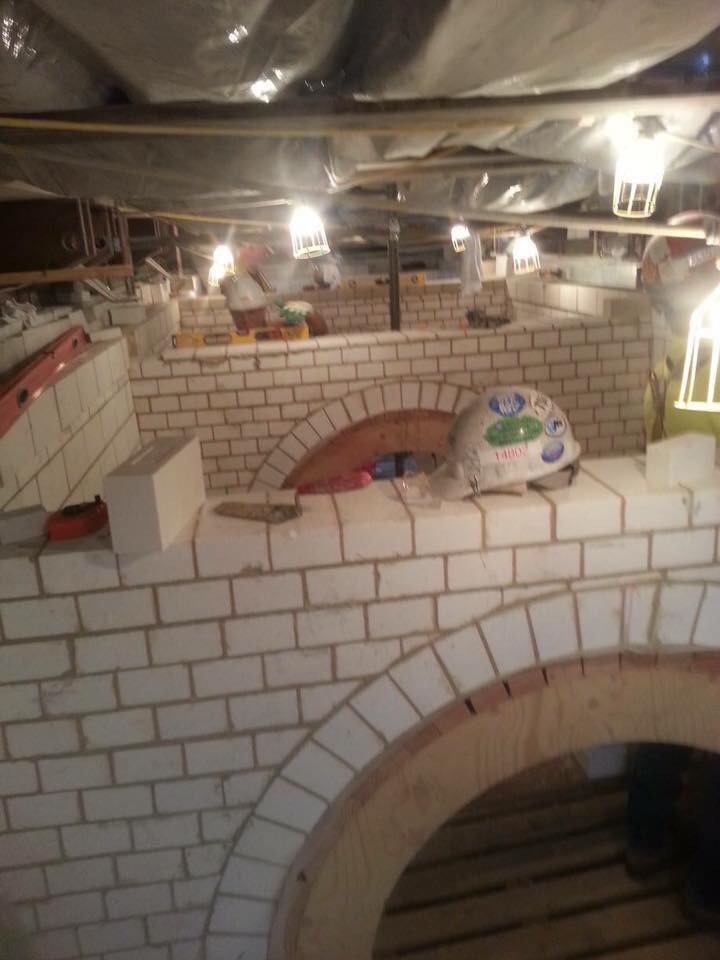
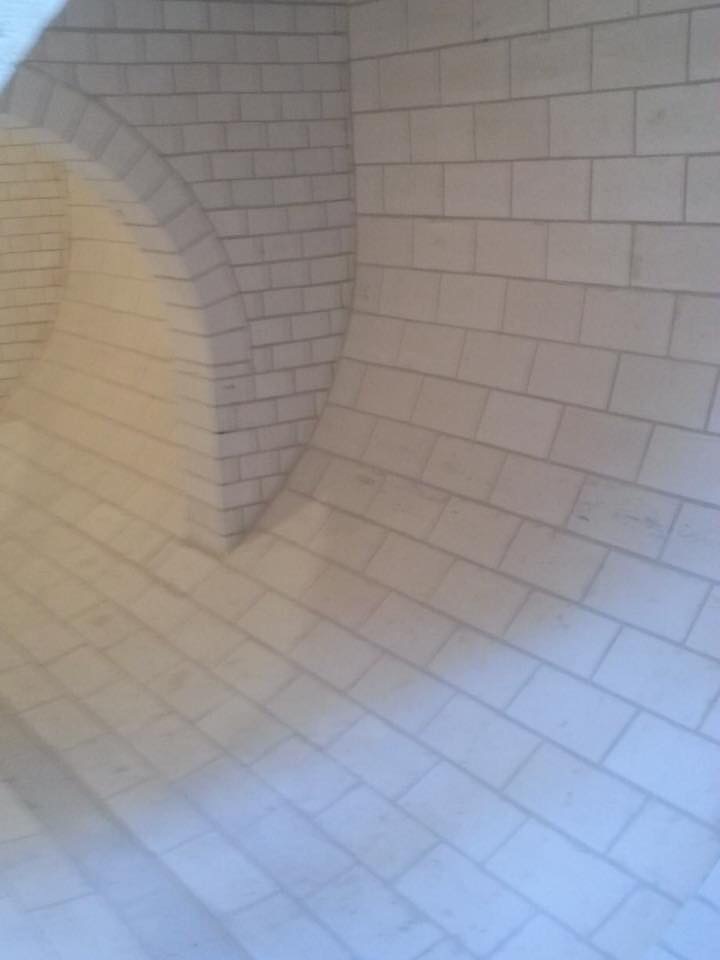
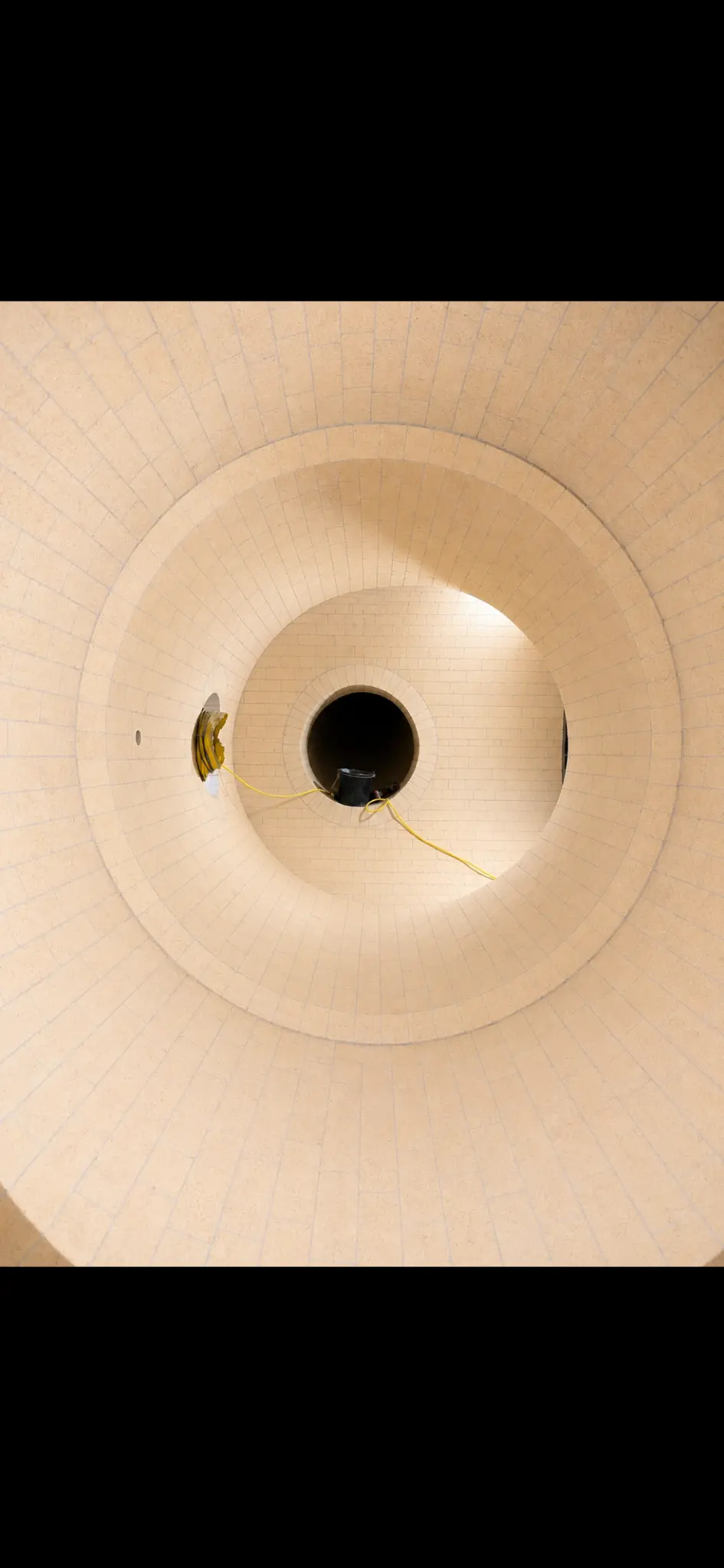
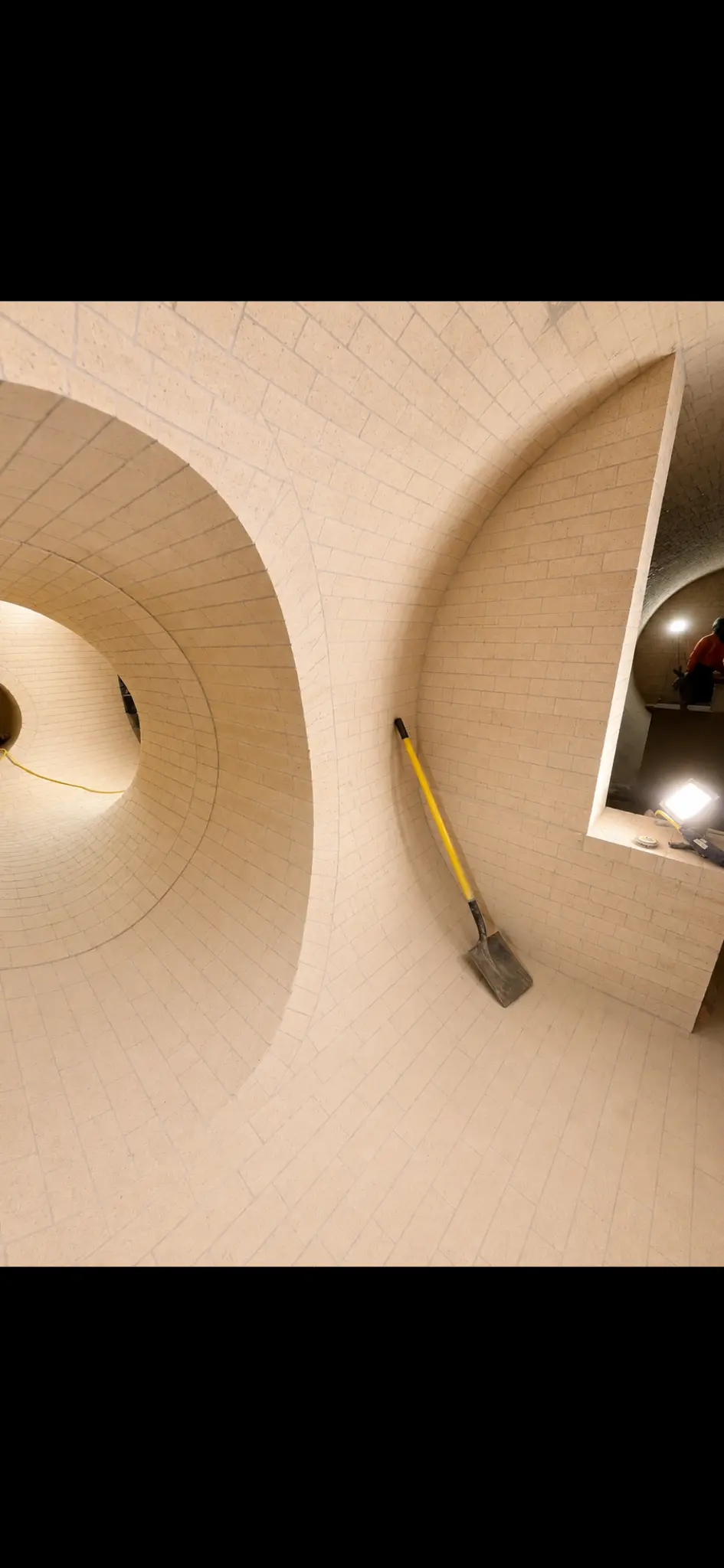
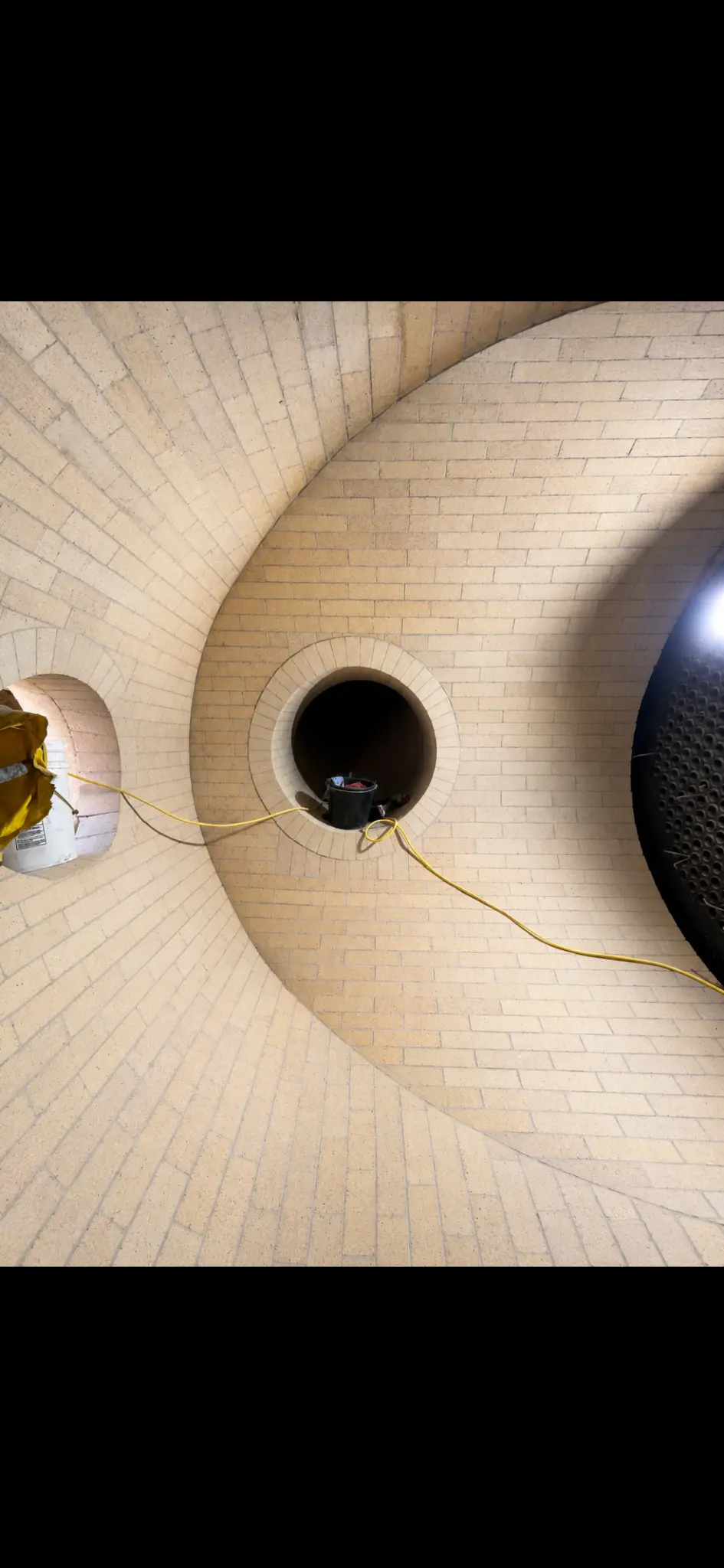
Iowa sulfur furnace reline, brick by brick
Complete demolition of the spent lining, radial fire brick courses laid to engineered tolerances inside a complex arched furnace geometry, and a controlled dry-out — executed inside a compressed outage alongside boiler and vessel replacement at the Climax Molybdenum facility in Iowa.

Refractory is engineering, not just masonry
Most refractory contractors are masons. We are engineers who also do the masonry — a critical difference when the lining fails at 2,000°F.
Lining Design
Brick class, thickness, and backup layers selected against the actual thermal and chemical duty — not a copy of the last lining.
Expansion Engineering
Expansion allowances and anchor layouts calculated so the lining survives heat-up instead of cracking on the first cycle.
Dry-Out Control
Written dry-out and cure-in schedules, supervised in the field, protecting your new lining from steam spalling.
Outage Integration
As an EPC firm we coordinate refractory with boiler, vessel, and piping work — one schedule, one team, one point of accountability.
Common questions about refractory, acid brick & insulation
What is refractory and why does it need to be replaced?
Refractory is a heat-resistant lining material — fire brick, castable, or ceramic fiber — installed inside furnaces, boilers, incinerators, and process heaters to protect the steel shell from high temperatures and chemical attack. Refractory degrades over time due to thermal cycling, spalling, chemical erosion, and mechanical damage. When the lining fails, the steel shell is exposed to damaging temperatures, requiring a furnace reline outage to restore safe operation.
What is acid brick and where is it used?
Acid brick is a dense, chemically resistant ceramic brick used to line vessels, floors, trenches, and containment areas that handle sulfuric acid, hydrochloric acid, and other corrosive chemicals. It is installed with acid-resistant mortar — typically potassium silicate or furan resin — and a membrane system to prevent acid penetration to the substrate. Grey Engineering installs acid brick systems for chemical plants, sulfuric acid facilities, and industrial containment areas.
What is polymer concrete and how is it different from regular concrete?
Polymer concrete replaces the cement binder in traditional concrete with a polymer resin — typically epoxy, vinyl ester, or epoxy novolac. The result is a material with dramatically higher chemical resistance, lower permeability, and better adhesion to existing substrates. Grey Engineering installs polymer concrete for chemical plant floors, containment basins, sumps, and vessel linings where ordinary concrete would be attacked by acids, solvents, or corrosive process fluids.
What types of industrial insulation does Grey Engineering install?
Grey Engineering installs the full range of industrial insulation systems: mineral wool for high-temperature pipe and vessel insulation, calcium silicate for boilers and steam systems, ceramic fiber blankets and modules for furnace backup insulation, fiberglass for lower-temperature piping, cellular glass for cryogenic service, and aerogel blankets for space-constrained high-performance applications. All systems are finished with appropriate jacketing — aluminum, stainless steel, or PVC — and include personnel protection and heat conservation calculations.
How long does a sulfur furnace refractory reline take?
A sulfur furnace refractory reline typically takes 2 to 4 weeks depending on furnace size, brick type, and dry-out schedule requirements. The scope includes demolition of the spent lining, inspection of the steel shell, installation of new radial fire brick courses to engineered tolerances, and a controlled dry-out and cure cycle before return to service. Grey Engineering coordinates relines inside compressed outage windows alongside other plant maintenance work.
Why does refractory installation require engineering, not just masonry?
Refractory lining design requires engineering analysis to select the correct brick class and thickness for the actual thermal and chemical duty, calculate expansion allowances so the lining survives heat-up without cracking, design anchor layouts that hold the lining in place under thermal cycling, and develop dry-out schedules that cure the lining without steam spalling. Grey Engineering is an engineering firm that also performs the installation — a critical difference when a failed lining means an unplanned shutdown.